
ថាមពលដែលជាគំនិតនិងពិចារណាមានគឺជាធាតុដែលដឹង(នាមធម៌)សត្វបុគ្គលមិនមាន ។The energy that manifests as thoughts and reflection is a knowing element (nāma-dhamma); there is no such thing as a being or individual.Français :L’énergie qui se manifeste sous forme de pensées et de réflexions est un élément de connaissance (nāma-dhamma) ; il n’existe pas d’être ou d’individu.

About the event

អំពីយើ
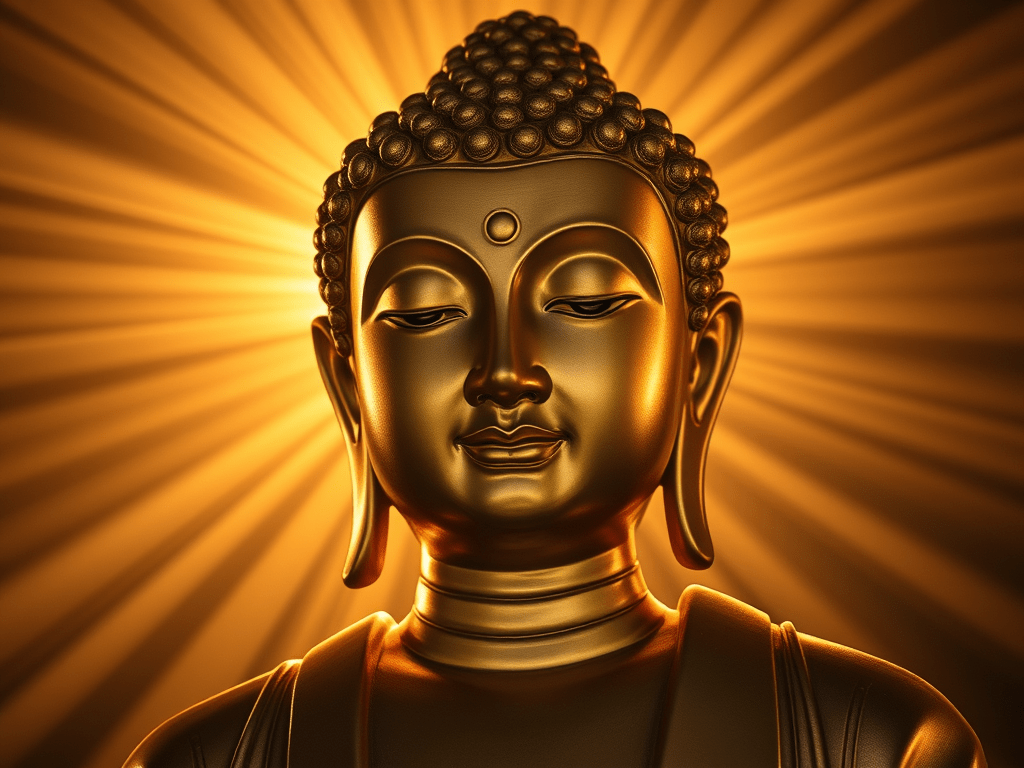
នៅពេលដែលយើងដើរកំសាន្តលេងនៅក្នុងព្រៃ។យើងនឹងឃើញថាដើមឈឺទាំងឡាយ ខុសខុសគ្នា ដើមឈើខ្លះមិនមានផ្កាផ្លែ។ដើមឈើខ្លះមានផ្កា មានផ្លែ ដែលអាចពិសាបាននិងមានរសជាតិប្លែកៗគ្នា។ខ្លះ ជូរ ខ្លះល្វីង ខ្លះផ្អែម។ល។ឯដើមឈើខ្លះទៀតមានផ្លែ អាចធ្វើឱ្យសត្វលោកវិនាសក៏មានដោយសាររសជាតិនោះជារសជាតិពុលសត្វលោកនោះឯងបរិភោគ។
បើងាកមកសង្កេតសង្គមមនុស្សលោក ក៏មានមនុស្សគ្រប់យ៉ាងនិងប្លែកគ្នាដូចធម្មជាតិ។ព្រោះអ្វី?គឺយើងជាធម្មជាតិដែលមានវិញ្ញាណ។វត្ថុដទៃទៀតគឺជាធម្មជាតិមិនមានវិញ្ញាណ។
យកដើមឈើដែលមានផ្លែ ខ្លះមានជាតិជូរ ខ្លះផ្អែម ខ្លះល្វីង ខ្លះពុល។យកមកដាំជិតគ្នា យើងឃើញថាដើមឈឺណាដែលមានផ្លែ ជាតិជូនៅតែជូរ ជាតិផ្អែមនៅតែផ្អែម ជាតិល្វីងនៅតែល្វីង ជាតិពុលនៅតែពុល។ ដើមឈើទាំងបួនដាំជិតគ្នាគួរតែមានរសជាតិដូចគ្នា ព្រោះដុះចេញពីដីដូចគ្នាធាតុអាកាសដូចគ្នា។។ល។ពុំមានអ្វីដែលធ្វើឱ្យឆ្ងល់ទេ បើចូលចិត្តពិចារណារកហេតុនិងបច្ច័យដែលឲ្យដើមឈើនោះខុសគ្នា។ព្រះអង្គសម្ដែងថាធម៌ទាំងឡាយមានហេតុនិងបច្ច័យ។ដើមឈើទាំងអស់ដែលអាចរស់បានដោយសារឬស ឬសនេះជាហេតុនិងបច្ច័យឱ្យដើមឈើមានជីវិតនិងមានរសជាតិខុសគ្នាទៅតាមសភាវៈដើមឈើនោះនោះ។បើងាកមកមើលសត្វលោកមនុស្សក៏មិនខុសពីដែមឈើដែរ សូម្បីកើតមកអំពីមាតាតែមួយកូនទាំងនោះមិនអាចមានសភាវៈលក្ខណៈដូចគ្នាទេ។ កូនខ្លះល្អខ្លះអាក្រក់ ឬបើមានសំណាងគឺល្អទាំងអស់ តែបើមិនមានសំណាងគឺអាក្រក់ទាំងអស់។មនុស្សលោកយើងដែលមានវិញ្ញាណ អាចមានជីវិតសន្មតថាមនុស្ស គឺជាវិញ្ញាណដែលកើតរលត់តាមទ្វារទាំងប្រាំមួយ(ភ្នែក ត្រចៀក ច្រមុះ អណ្ដាត កាយ មនោគឺចិត្ត)រស់នៅក្នុងសង្គមមនុស្ស មានធាតុជាអកុសលឬកុសល។ ទ្វារទាំងប្រាំមួយដូចជាឬសរបស់ដើមឈើ សង្គមមនុស្សនៅជុំវិញ ដូចជាដី លក្ខណៈរបស់មនុស្សដែលជាអកុសលឬកុសលអាចប្រៀបធៀបដូចផ្លែ។ ទ្វារទាំង ៦ ដែលជាឬស ស្រូបយកធាតុអកុសលឬកុសលដែលនៅក្នុងសង្គមទៅតាមសភាវៈលក្ខណៈរបស់បុគ្គលនោះៗ។
ENGLISH
ENGLISH TRANSLATION:When we take a walk in the forest, we observe that the trees are all different. Some trees do not bear flowers or fruits. Others do, and their fruits can be eaten, with distinct tastes: some are sour, others bitter, and others sweet. Yet, there are also trees whose fruits are poisonous, causing harm or even death to animals that consume them, simply due to their toxic nature.Turning to observe human society, we see that people are also diverse, just like nature. Why? Because we are part of nature that possesses consciousness, whereas other objects are natural phenomena without consciousness.If we plant trees bearing different kinds of fruits—some sour, some sweet, some bitter, and some poisonous—in the same soil, we will still see that the sour ones remain sour, the sweet ones sweet, the bitter ones bitter, and the poisonous ones poisonous. Even though they grow side by side in the same earth and under the same air, their taste does not change. There is nothing surprising if we investigate the causes and conditions behind these differences. The Buddha taught that all phenomena arise due to causes and conditions. All trees survive thanks to their roots, and these roots are the conditions that allow the tree to live and bear different flavors according to the nature of each tree.Likewise, human beings are not different from trees. Even children born from the same mother cannot have exactly the same characteristics. Some may be virtuous, some not. If fortunate, they may all be good; if not, all may be bad. We, humans with consciousness, live a conventional human life—a stream of consciousness arising and ceasing through the six sense doors: eye, ear, nose, tongue, body, and mind. We exist in human society and absorb wholesome or unwholesome elements through these doors. These six sense doors are like the roots of a tree. The society around us is like the soil. The character of each person—whether wholesome or unwholesome—can be compared to the fruit. The six sense doors absorb elements from society according to the individual’s nature and characteristics.—
TRADUCTION FRANÇAISE
:Lorsque nous nous promenons dans la forêt, nous voyons que les arbres sont tous différents. Certains n’ont ni fleurs ni fruits. D’autres ont des fleurs et des fruits comestibles, avec des goûts variés : certains sont acides, d’autres amers, d’autres encore sucrés. Il existe aussi des arbres dont les fruits sont toxiques, pouvant causer la mort des animaux qui les consomment, simplement à cause de leur nature empoisonnée.Si nous tournons notre regard vers la société humaine, nous constatons également une diversité comparable à celle de la nature. Pourquoi ? Parce que nous sommes une partie de la nature dotée de conscience, tandis que les autres objets sont des phénomènes naturels sans conscience.Prenons l’exemple d’arbres aux fruits différents — acides, sucrés, amers ou toxiques — plantés côte à côte. Même cultivés dans la même terre et exposés au même air, chaque arbre conserve le goût propre à ses fruits : l’acide reste acide, le sucré reste sucré, l’amer reste amer, et le poison reste poison. Rien de surprenant si l’on réfléchit aux causes et aux conditions. Le Bouddha a enseigné que tous les phénomènes existent à cause de causes et de conditions. Les arbres vivent grâce à leurs racines, lesquelles sont les conditions permettant la vie et les caractéristiques de l’arbre.De même, les êtres humains ne diffèrent pas des arbres. Même nés d’une même mère, les enfants ne peuvent avoir des caractéristiques identiques. Certains seront bons, d’autres non. Avec de la chance, ils seront tous bons ; sans chance, ils seront tous mauvais. Les humains dotés de conscience vivent une vie conventionnelle d’humain, une conscience qui naît et disparaît à travers six portes sensorielles : œil, oreille, nez, langue, corps et esprit. Nous vivons dans la société humaine, absorbant les éléments bénéfiques ou nuisibles par ces six portes. Ces portes sont comme les racines de l’arbre. La société est comme la terre. La nature de chaque personne — bonne ou mauvaise — peut être comparée au fruit. Les six portes sensorielles absorbent ce qui les entoure selon la nature individuelle de chacun.
🙏🙏🙏☸️☸️☸️🌹❤️


Frequently Asked Questions
What is The Stories Book about?
This exquisite compilation showcases a diverse array of photographs that capture the essence of different eras and cultures, reflecting the unique styles and perspectives of each artist.
How much does The Stories Book cost?
This exquisite compilation showcases a diverse array of photographs that capture the essence of different eras and cultures, reflecting the unique styles and perspectives of each artist.
When will The Stories Book be released?
This exquisite compilation showcases a diverse array of photographs that capture the essence of different eras and cultures, reflecting the unique styles and perspectives of each artist.
Are signed copies available?
This exquisite compilation showcases a diverse array of photographs that capture the essence of different eras and cultures, reflecting the unique styles and perspectives of each artist.
Got questions?
Feel free to reach out.
 ParamatthaLight. ParamatthaLight. ពន្លឺបរមត្ថធម៌