
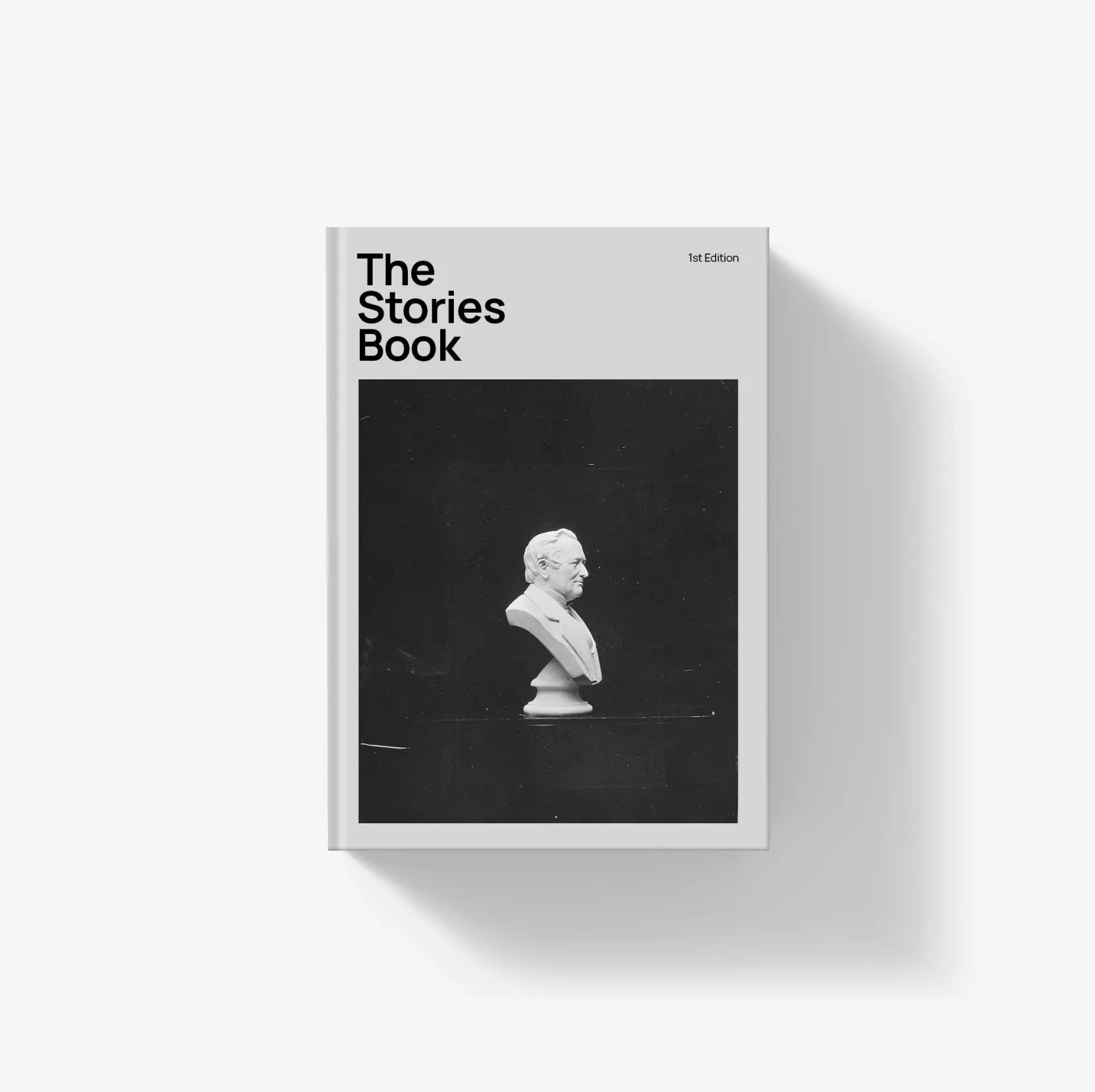
The Stories Book
ចំណងជើងទី១ ព្រះពុទ្ធត្រាស់ដឹងអ្វី? ទី១ ទស្សនៈនិងវិទ្យាសាស្ត្រ ទី៣ សភាវៈលក្ខណៈធម្មតូចបំផុតនិងធម្មធំដែលសំណុំធម្មតូច។ រូបធម៌តូចបំផុត និងរូបធម៌ធំដែលអាស្រ័យលើរូបធម៌តូចបំផុត មានសភាវៈលក្ខណៈដូចសភាវៈតូចបំផុត និងមានសភាវៈលក្ខណៈ (réciproque) ប្រធានបទទាំងបីមានទំនាក់ទំនងគ្នា។
នៅទីបញ្ចប់យើងនឹងដឹងច្បាស់ដោយសាររូបមន្តរបស់ព្រះសម្មាសម្ពុទ្ធ សត្វលោកជាអ្វី? ពិភពលោកជាអ្វី? និងយល់ច្បាស់អំពីអវិជ្ជាដែលព្រះសម្មាសម្ពុទ្ធសម្ដែង។ រូបមន្តដែលយល់និងបង្កើតឡើងតាមការយល់ដឹងនៅព្រះធម៌ដែលព្រះអង្គសម្ដែង។សូមឱ្យមិត្តអ្នកអានទាំងអស់ បញ្ញាវន្តគ្រប់ប្រភេទ ជួយពិចារណា ដែលមានរូបមន្តនៃព្រះសម្មាសម្ពុទ្ធមកជាសំអាង និងជាភស្តុតាង។រូបមន្ត រូបធម៌តូចបំផុត និងរូបធម៌ធំដែលអាស្រ័យលើរូបធម៌តូចបំផុត មានសភាវៈដូចគ្នា និងមានលក្ខណៈ (réciproque)
អត្ថាធិប្បាយ
ព្រះអង្គសម្ដែងថាបើគេយកវត្ថុដែលមិនមានចិត្តគ្រប់គ្រង យកទៅបំបែកឲ្យតូចបំផុតដែលគេមិនអាចបំបែកបានទៀត ឈ្មោះថា កលាបរូប ដែលមាននៅក្នុងមួយកលាបរូបនោះមាន រូប ៨ ទៀតដែលកើតរលត់ព្រមគ្នាពុំអាចបែកគ្នាបានឡើយ កលាបរូប ដែលមានរូប ៨ នៅក្នុងនោះគឺ បថថវី(ដី)វាយោ(ខ្យល់)តេជោ(ភ្លើង)អបោ(ទឹក)និងវិស័យរូប៤ទៀតគឺវណ្ណៈរូប(ពណ៌) គន្ធរូប(ក្លិន) រសរូប(រសជាតិ) ឧជ:រូប (អាហារ)។ ដូច្នេះ ១កលាបមានរូប ៨ ដូចអត្ថាធិប្បាយមកនេះដែលព្រះសម្មាសម្ពុទ្ធឲ្យឈ្មោះថា អវិនិព្ភោគរូប រូបទាំងអស់កើតរលត់ កើតរលត់យ៉ាងរហ័សដែលមិនអាចរាប់បាន។ព្រះអង្គសម្ដែងថាក្នុងមួយផ្ទាត់ដៃរូបកើតរលត់ច្រើនណាស់ប្រហែលមួយសែនកោដដង(ចំនួននេះខ្ញុំបញ្ជាក់សម្រាប់ជាការយល់ថាមានច្រើនដូចនេះ)រូបចាស់រលត់ជាបច្ច័យឲ្យរូបថ្មីកើតឡើង អ្វីៗដែលមាននៅលើរូបចាស់ពេលដែលរលត់បានផ្ទេរមកឲ្យរូបថ្មី។ រូបចាស់ដែលរលត់ទៅហើយមិនអាចកើតឡើងទៀតទេ។រូបដែលកើតរលត់មានបួនលក្ខណៈ ១ ឧបចយ រូបកើតដំបូង ២ សន្តតិរូបរូបកំពុងចំរើន ជរតារូបរូបទ្រុឌទ្រោម អនិច្ចតារូបរូបរលត់ ដូច្នេះបើគិតទាំងលក្ខណៈរូប មិនមែនត្រឹមតែប្រាំបីទេដែលមិនអាចបែកគ្នា អាចនិយាយថារូប ១២ ដែលមិនអាចបែកគ្នាបាន។ដូច្នេះមួយកលាបរូបគឺជាចំណែកតូចបំផុតរបស់វត្ថុធំៗ ដើម្បីឲ្យកើតទៅជាវត្ថុធំៗវិញមិនដឹងជាមានចំនួនប៉ុន្មានកលាបទើបអាចកើតបានជារូបធំតូចទៅតាមចំនួននោះឯង។ដើម្បីផ្គុំគ្នាបានពីកលាប១ទៅកលាប១ ត្រូវមានអាកាសរូបមួយទៀត ដែលហៅថា បរិច្ឆេតរូប តាមការអត្ថាធិប្បាយពីខាងលើមក ដោយមានរូបមន្តរបស់ព្រះសម្មាសម្ពុទ្ធឲ្យឃើញថារូបទាំងអស់គ្មានលើកលែងឲ្យតែរូបមិនមានចិត្តគ្រប់គ្រងគឺមាន១៣រូប។ថែមទាំងរូប១៥ដែលមានចិត្តគ្រប់គ្រងទាំងអស់គឺ២៨រូប។ចំណែកឯ ចិត្តក៏មានលក្ខណៈកើតរលត់ដូចគ្នា។ អ្វីៗដែលមានរបស់ចិត្តចាស់រលត់ បានផ្ទេរទាំងអស់ទៅចិត្តកើតថ្មី(ខ្ញុំបាទនឹងធ្វើអត្ថាធិប្បាយនៅប្រធានបទ ព្រះពុទ្ធត្រាស់ដឹងអ្វី)។យើងទាំងអស់គ្នាដែលដឹងនៅវត្ថុខាងក្រៅបានដោយសារមាន ចក្ខុ គឺភ្នែក សោតៈគឺត្រចៀកឃាន:គឺច្រមុះ ជីវ្ហាគឺអណ្ដាត កាយ:គឺខ្លួន មនោ។ ដូច្នេះអ្វីដែលយើងដឹងពិតប្រាកដ(បរមត្ថធម៌) មានតែ វណ្ណៈគឺពណ៌ សទ្ទគឺសំឡេង រស:គឺរសជាតិ ផោដ្ឋព្វៈគឺការប៉ះផ្ទុបតាមកាយ ធម្មារម្មណ៍។ រូបទាំងប្រាំនៅខាងក្រៅតាមវិថីចិត្តទៅដល់ជវនចិត្តខាងក្នុងជាអ្នកពិចារណា។នេះគឺជាការពិតប្រចាំថ្ងៃនៃសត្វលោក ។រូបទាំងប្រាំដែលដឹងតាមទ្វារប្រាំ ( ភ្នែក ត្រចៀក ច្រមុះ អណ្ដាត កាយ)ដែលជារូបបរមត្ថ តើមានរឿងអ្វីកើតឡើងទេ បើឃើញដឹងតាមសភាវៈពិតប្រាកដ ? ច្បាស់ជាមិនមានទេតែនៅពេលដែលចិត្តគិតនេះឯងដែលបង្កើតបញ្ហាច្រើន គឺជាចិត្តដែលមិនបានអប់រំចិត្ត ប្រកបទៅដោយអវិជ្ជា ដែលព្រះសាស្ដាបានសម្ដែងហើយ។ នេះគ្រាន់ជាការអត្ថាធិប្បាយបន្តិចបន្តួចសម្រាប់ឱ្យពិចារណា ចំពោះមិត្តអ្នកអានដែលលោកមិនបានសិក្សាបរមត្ថ ។ ខ្ញុំបាទនឹងធ្វើអត្ថាធិប្បាយដោយបរិយាយនៅលើប្រធានបទព្រះពុទ្ធត្រាស់ដឹងអី?
អត្ថបទនេះមានបំណងតែម្យ៉ាងគឺឱ្យពិចារណាតើរូបមន្តដែលខ្ញុំបាទសរសេរខាងលើ អាចត្រឹមត្រូវឬទេតែប៉ុណ្ណោះ។
ENGLISH
English TranslationMain Title 1: What Did the Buddha Realize?Main Title 2: Views and ScienceMain Title 3: The Nature of the Smallest and Largest Material Phenomena“The smallest rūpa and the large rūpa that depend on the smallest ones share the same nature and have a reciprocal quality.”
ExplanationThe Buddha taught that if we take a physical object not controlled by mind and break it down into the smallest indivisible unit, that is called a kalāpa rūpa. Within one kalāpa rūpa, there are 8 inseparable rūpa that arise and cease together. These are:1. Pathavī (solidity),2. Vāyo (motion),3. Tejo (temperature),4. Āpo (cohesion),5. Vaṇṇa (color),6. Gandha (smell),7. Rasa (taste),8. Oja (nutriment).Thus, one kalāpa always consists of these 8 inseparable material qualities, and these are what the Buddha called avinibhoga rūpa. All rūpa arise and cease extremely rapidly, countless times. The Buddha taught that within a single finger snap, rūpa arise and fall away possibly hundreds of thousands of times (this number is provided here only for conceptual understanding). Each old rūpa that ceases conditions the arising of a new one, transferring its characteristics. Once a rūpa ceases, it cannot arise again.There are four characteristics of arising and falling:1. Uppāda-rūpa (arising),2. Santati-rūpa (continuity),3. Jarā-rūpa (decay),4. Aniccatā-rūpa (cessation).Thus, if we count all of these characteristics, they are not merely 8, but effectively 12 inseparable rūpa. Hence, one kalāpa is the smallest unit of matter, and to form a larger object, countless kalāpas are needed. To combine one kalāpa with another, there must be ākāsa rūpa (space), called pariccheda rūpa. According to the Buddha’s formulation, there are 13 rūpa without mind-control, and 15 rūpa with mind-control, totaling 28 rūpa.The mind also has the nature of arising and ceasing. Whatever qualities belonged to the previous moment of mind are completely transferred to the new arising moment (I will elaborate this in the topic “What Did the Buddha Realize?”).All beings perceive external things through the six doors:Eye (cakkhu),Ear (sota),Nose (ghāna),Tongue (jivhā),Body (kāya),Mind (mano).Thus, what we know as ultimate realities (paramattha dhamma) through the five physical senses are:Vaṇṇa (visible form),Sadda (sound),Rasa (taste),Phoṭṭhabba (tangible contact),Dhammārammaṇa (mental objects).These five are known externally, and the mind processes them through cognitive pathways to the javana citta, which evaluates and reacts. This is the daily truth of all living beings.These five external rūpa known through the five doors (eye, ear, nose, tongue, body) are paramattha rūpa. So, what happens when we perceive them exactly as they are? Nothing more arises. But the moment the mind starts constructing ideas—that is where problems begin. This mind is untrained and driven by avijjā (ignorance), as the Buddha has declared.This is only a partial explanation to reflect upon, for those readers who haven’t studied paramattha dhamma yet. I will provide a full commentary under the topic “What Did the Buddha Realize?” This text simply aims to invite reflection on whether the formula I proposed above might be correct.The formula:“The smallest rūpa and the large rūpa that depend on the smallest ones share the same nature and have a reciprocal quality.”—
FRANCAIS
Traduction françaiseTitre principal 1 : Que le Bouddha a-t-il réalisé ?Titre principal 2 : Vue et scienceTitre principal 3 : La nature des phénomènes matériels les plus petits et les plus grands« Les plus petits rūpa et les grands rūpa qui dépendent des plus petits ont la même nature et une relation réciproque. »
ExplicationLe Bouddha a enseigné que si l’on prend un objet physique non contrôlé par l’esprit et qu’on le divise jusqu’à l’unité la plus petite et indivisible, cela s’appelle un kalāpa rūpa. Dans un kalāpa, il y a 8 rūpa inséparables qui naissent et cessent ensemble. Ce sont :1. Pathavī (solidité),2. Vāyo (mouvement),3. Tejo (chaleur/froid),4. Āpo (cohésion),5. Vaṇṇa (couleur),6. Gandha (odeur),7. Rasa (goût),8. Oja (nourriture ou essence nutritive).Ainsi, un kalāpa contient toujours ces 8 éléments que le Bouddha a appelés avinibhoga rūpa. Tous les rūpa naissent et cessent extrêmement rapidement, un nombre incalculable de fois. Le Bouddha a enseigné que dans un claquement de doigts, les rūpa naissent et cessent des centaines de milliers de fois (ce chiffre est approximatif pour la compréhension). Chaque ancien rūpa conditionne la naissance du suivant en lui transférant ses caractéristiques. Une fois disparu, un rūpa ne peut pas renaître.Il y a quatre caractéristiques du processus de naissance et de disparition :1. Uppāda-rūpa (naissance),2. Santati-rūpa (continuité),3. Jarā-rūpa (vieillissement),4. Aniccatā-rūpa (extinction).En les incluant, on ne compte pas simplement 8 rūpa, mais 12 rūpa inséparables. Ainsi, un kalāpa est l’unité matérielle la plus petite, et pour former un grand objet, il faut d’innombrables kalāpa. Pour qu’un kalāpa se joigne à un autre, il faut un ākāsa rūpa (espace), appelé pariccheda rūpa. Selon l’enseignement du Bouddha, il y a 13 rūpa sans contrôle mental, et 15 rūpa avec contrôle mental, ce qui fait un total de 28 rūpa.Le mental, lui aussi, naît et cesse de la même manière. Ce que contenait le mental précédent est transféré intégralement au mental suivant (j’expliquerai cela dans le sujet “Que le Bouddha a-t-il réalisé ?”).Tous les êtres perçoivent le monde à travers six portes :Œil (cakkhu),Oreille (sota),Nez (ghāna),Langue (jivhā),Corps (kāya),Esprit (mano).Ce que nous connaissons comme réalité ultime (paramattha dhamma) à travers les cinq sens physiques sont :Vaṇṇa (forme visible),Sadda (son),Rasa (goût),Phoṭṭhabba (contact tangible),Dhammārammaṇa (objet mental).Ces cinq rūpa externes sont transmis par les voies cognitives vers le javana citta, qui évalue et réagit. C’est la réalité quotidienne de tous les êtres vivants.Ces cinq rūpa perçus par les cinq portes (œil, oreille, nez, langue, corps) sont des paramattha rūpa. Que se passe-t-il si on les perçoit tels qu’ils sont vraiment ? Rien de plus ne surgit. Mais c’est lorsque l’esprit commence à construire des idées que les problèmes apparaissent. Cet esprit non éduqué est sous l’influence de l’ignorance (avijjā), comme le Bouddha l’a enseigné.Ce n’est ici qu’un bref commentaire pour la réflexion des lecteurs qui n’ont pas encore étudié le paramattha. Je continuerai l’explication complète sous le sujet : Que le Bouddha a-t-il réalisé ? Le but de ce texte est simplement de poser la question :La formule ci-dessus est-elle correcte ?La formule :« Les plus petits rūpa et les grands rūpa qui dépendent des plus petits ont la même nature et une relation réciproque. »
A fine collection of moments in time featuring photographs from Louis Fleckenstein, Paul Strand and Asahachi Kōno.
Available for pre-order now.
Buy your copy of The Stories Book
Outside Europe? View international editions.
International editions
The Stories Book will be available from these international retailers.
Frequently Asked Questions
What is The Stories Book about?
This exquisite compilation showcases a diverse array of photographs that capture the essence of different eras and cultures, reflecting the unique styles and perspectives of each artist.
How much does The Stories Book cost?
This exquisite compilation showcases a diverse array of photographs that capture the essence of different eras and cultures, reflecting the unique styles and perspectives of each artist.
When will The Stories Book be released?
This exquisite compilation showcases a diverse array of photographs that capture the essence of different eras and cultures, reflecting the unique styles and perspectives of each artist.
Are signed copies available?
This exquisite compilation showcases a diverse array of photographs that capture the essence of different eras and cultures, reflecting the unique styles and perspectives of each artist.
 ParamatthaLight. ParamatthaLight. ពន្លឺបរមត្ថធម៌