
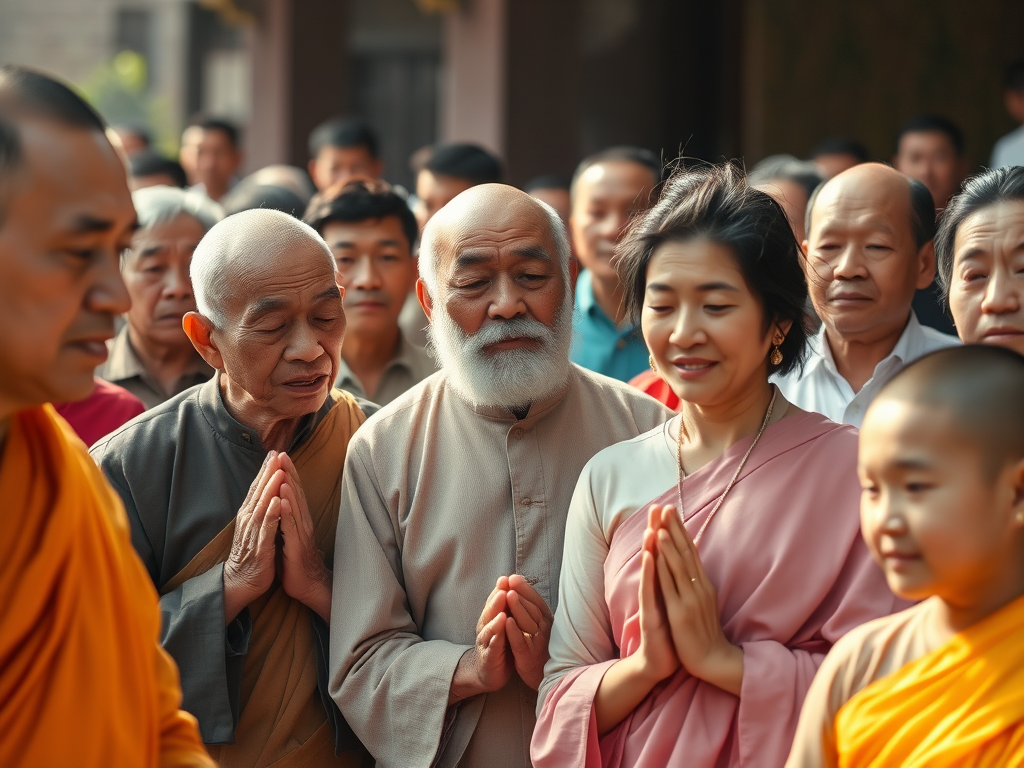
ខណ្ឌដើម (ខ្មែរ):
ភាសាខ្មែរ៖
អត្ថាធិប្បាយពិសេស
« ព្រះសម្មាសម្បុទ្ធ ត្រាស់ដឹងអ្វី? » ភាគទី ៥
បកស្រាយពីរូបធម៌ ១៣ កលាបរូប និងច្បាប់ធម្មជាតិ
(អនិច្ចំ ទុក្ខំ អនត្តា បដិច្ចសមុប្បាទ)
សូមចុចដើម្បីអានពេញលេញ
English:
Special Commentary
“What Did the Buddha Realize?” — Part 5
Explaining the 13 types of rūpa, kalāpa rūpa, and the laws of nature
(Anicca, Dukkha, Anattā, Paṭiccasamuppāda)
Click to read the full text
Français :
Commentaire spécial
« Que comprenait le Bouddha ? » — Partie 5
Explication des 13 rūpa, des kalāpa rūpa et des lois naturelles
(Anicca, Dukkha, Anattā, Paṭiccasamuppāda)
Cliquez pour lire le texte complet
🙏តើអ្នកឃើញពិភពលោកជាអ្វី? សត្វលោកជាអ្វី? បើអ្នកយល់ដឹងច្បាស់គ្មានសង្ស័យនៅការបង្រៀនរបស់ព្រះសម្មាសម្ពុទ្ធ នៅអត្ថបទខាងក្រោមនេះ🙏
អង់គ្លេស (English):
🙏What do you see the world as? What are living beings? If you truly understand, without doubt, the teachings of the Buddha, the explanation below will clarify this.🙏
ភាសាខ្មែរ (ដើម):ឥឡូវនេះខ្ញុំបានធ្វើអត្ថាធិប្បាយមកដល់រូប១៣ ហើយក៏បានបញ្ជាក់ថារបស់ក្នុងលោកទាំងអស់មិនលើកលែងគឺរូប 13 នេះឯងដែលព្រះសាស្តាឲ្យរូបមន្តមកយើងឃើញដូច្នេះ។ដោយសាររូបមន្តព្រះសាស្ដារត្រាស់ដឹង។ យើងឃើញថា របស់តូចបំផុតមានសភាវៈលក្ខណៈយ៉ាងណារបស់ធំ ដែលជាសំណុំរបស់តូចបំផុតក៏មានសភាវៈលក្ខណៈដូចគ្នា។វត្ថុធំមានសភាវៈលក្ខណៈយ៉ាងណារបស់តូចបំផុតដែលជាសំណុំវត្ថុធំក៏មានសភាវៈលក្ខណៈដូចគ្នា។—ភាសាអង់គ្លេស
(English):I have now completed the explanation up to the 13 types of rūpa (material phenomena), and have affirmed that everything in the world, without exception, is composed of these 13. The Buddha provided the formula for us to see this clearly. Because of the Buddha’s realization, we can see that the smallest elements share the same essential characteristics as the large things they compose. Whatever characteristics are found in the smallest elements are also found in the large formations made up of them. Likewise, the characteristics of the large can also be found in each small unit that constitutes them.—
ភាសាបារាំង (Français) :J’ai maintenant terminé l’explication des 13 types de rūpa (phénomènes matériels) et j’ai affirmé que tout ce qui existe dans le monde, sans exception, est constitué de ces 13 éléments. Le Bouddha nous a transmis la formule permettant de le constater clairement. Grâce à la réalisation du Bouddha, nous voyons que les éléments les plus petits possèdent les mêmes caractéristiques essentielles que les grandes structures qu’ils composent. Les propriétés que l’on trouve dans le plus petit se retrouvent dans l’ensemble plus vaste — et inversement, les propriétés du grand se manifestent aussi dans chaque petite unité.
បារាំង (Français) :
🙏Comment percevez-vous le monde ? Que sont les êtres vivants ? Si vous comprenez clairement, sans aucun doute, les enseignements du Bouddha, le texte ci-dessous vous éclairera

តើអ្នកឃើញពិភពលោកជាអ្វី? សត្វលោកជាអ្វី? បើអ្នកយល់ដឹងច្បាស់គ្មានសង្ស័យនៅការបង្រៀនរបស់ព្រះសម្មាសម្ពុទ្ធ នៅអត្ថបទខាងក្រោមនេះ🙏ឥឡូវនេះខ្ញុំបានធ្វើអត្ថាធិប្បាយមកដល់រូប១៣ ហើយក៏បានបញ្ជាក់ថារបស់ក្នុងលោកទាំងអស់មិនលើកលែងគឺរូប 13 នេះឯងដែលព្រះសាស្តាឲ្យរូបមន្តមកយើងឃើញដូច្នេះ។ដោយសាររូបមន្តព្រះសាស្ដារត្រាស់ដឹង។ យើងឃើញថា របស់តូចបំផុតមានសភាវៈលក្ខណៈយ៉ាងណារបស់ធំ ដែលជាសំណុំរបស់តូចបំផុតក៏មានសភាវៈលក្ខណៈដូចគ្នា។វត្ថុធំមានសភាវៈលក្ខណៈយ៉ាងណារបស់តូចបំផុតដែលជាសំណុំវត្ថុធំក៏មានសភាវៈលក្ខណៈដូចគ្នា។ បើយើងប្រៀបធៀបផែនដីទៅនឹងមហាចក្រវាឡ គឺជាកលាប ដែលមានរូប 13នៅក្នុងចក្រវាឡ ។ឯចក្រវាលដ៏ធំធេងគ្មានទីបំផុតជាសំណុំ ផែនដី ឬគេហៅថាផ្លាណែត(planète)ដោយសារ ពី planète មួយទៅplanète មួយ ត្រូវមានអាកាសខណ្ឌនៅចន្លោះអាកាសគឺបរិច្ឆេតរូប ដូច្នេះចាក់ក្រវាលទាំងអស់មាន 14 រូប។តែបើចាត់ទុកថាអាកាសនៅក្នុងរបស់តូចក៏ដូចជារបស់ធំបំផុតគឺចាក់ក្រវាលបើយល់ដូច្នេះនៅត្រឹមតែរូប 13។បើតាមរូបមន្តដែលព្រះសម្មាសម្ពុទ្ធត្រាស់ដឹងរបស់តូចកើតរលត់យ៉ាងលឿនតែរបស់ធំដែលជាសំណុំរបស់តូចកើតរលត់ដែរ។តែពេលយូរវង្វែងដែលយើងមិនអាចដឹងបាន។បើផែនដី និង planète កើតរលត់ដែរ។ដូច្នេះចក្រវាឡក៏កើតរលត់មិនអាចប្រកែកបាន។បើការត្រាស់ដឹងអំពី កលាប កើតរត់នោះគឺជាការពិត ខ្ញុំបាទជឿជាក់ហើយថាគឺជាការពិតខ្ញុំបាទបានធ្វើអត្ថាធិប្បាយហើយហេតុអ្វីបានខ្ញុំបាទថាជាការពិតដែលបានអត្ថាធិប្បាយនៅភាគមុនៗខាងក្រោមនេះគឺជាការអត្ថាធិប្បាយដើម្បីឲ្យស្រួលយល់។អនិច្ចំ ទុក្ខំ អនត្តា ។ធម៌ទាំងឡាយមានហេតុនិងបច្ច័យ។ ធម៌ណាកើតជាធម្មតាធម៌នោះរលត់ទៅវិញជាធម្មតា។បដិច្ចសមុប្បាទធម៌។ទាំងអស់នេះគឺជាច្បាប់ធម្មជាតិដែលព្រះសម្មាសម្ពុទ្ធត្រាស់ដឹង។ ច្បាប់ធម្មជាតិចែកចេញជាពី ច្បាប់ធម្មជាតិ មានវិញ្ញាណ(នាម) និងច្បាប់ធម្មជាតិមិនមានវិញ្ញាណ(រូបធម៌)។ ធម្មជាតិទាំងអស់ចក្រវាឡទាំងអស់លើកលែងតែព្រះនិព្វានត្រូវតែប្រព្រឹត្តតាមច្បាប់ អនិច្ចំ ទុក្ខំ អនត្តា ព្រោះជាមូលនៃច្បាប់ធម្មជាតិទាំងអស់។ទាំងនេះគឺជាការយល់ឃើញរបស់ខ្ញុំបាទទៅតាមរូបមន្តរបស់ព្រះសម្មាសម្ពុទ្ធ។បើមិនមានច្បាប់នេះទេប្រាកដជាយល់ថាព្រះអាទិទេពជាអ្នកបង្កើតលោក។របស់ណាដែលកើតហើយមិនរលត់ទៅវិញគឺរបស់នោះជាអមតៈ របស់ណាដែលរលត់ហើយមិនកើតវិញគឺសូន្យ។ព្រះអង្គសម្ដែងថានៅក្នុងភពទាំងបីគឺ កាមភព រូបភព អរូបភព ក៏ជាទុក្ខដែរ។របស់ណាមិនទៀងរបស់នោះជាទុក្ខរបស់នោះជាទុក្ខរបស់នោះជាអនត្តា ដូច្នេះ កាមភព រូបភព អរូបភព ក៏គោរពច្បាប់ អនិច្ចំ ទុក្ខំ អនត្តា ។ខ្ញុំបាទសូមជម្រាបថាពិភពលោកចក្រវាឡចង់កើតពីអ្វីក៏ដោយក៏ត្រូវតែកើតហើយរលត់។គ្រាន់តែរបស់តូចបំផុតកើតរលត់យ៉ាងលឿនបំផុត។គឺមួយសែនកោដិ ដងក្នុងផ្ទាត់ដៃ។ដូច្នេះផែនដីទាំងមូលដែលជាសំណុំរបស់កលាប ចក្រវាឡទាំងអស់ក៏ដូចគ្នាដែរ ត្រូវតែកើតរលត់គឺ អនិច្ចំ ទុក្ខំ អនត្ដា ។បើមិនទាន់ច្បាស់ទេមានធម៌មួយទៀតដែលព្រះអង្គសម្ដែងថាធម៌ទាំងឡាយ(គឺទាំងអស់គ្មានសេសសល់)មានហេតុនិងបច្ច័យ ។បើមានហេតុគ្រប់គ្រាន់ធម៌កើតបើគ្មានហេតុធម៌រលត់។ ជាធម្មតាចំណេះនិងការយល់ដឹងច្បាស់មិនដែលកើតដោយពុំមានការពិចារណាយ៉ាងជ្រៅបំផុតឡើយ។ការពិចារណាជាបច្ច័យឲ្យមានទស្សនៈ ទស្សនៈជាបច្ច័យឱ្យឃើញច្បាប់ធម្មជាតិ ច្បាប់ធម្មជាតិជាបច្ច័យឲ្យឃើញវិទ្យាសាស្រ្តនិងឃើញច្បាប់ធម្មជាតិទាំងអស់គឺ ធម្មជាតិមានវិញ្ញាណ(នាមធម៌) និងធម្មជាតិមិនមានជីវិត(រូបធម៌)ដែលព្រះសម្មាសម្ពុទ្ធត្រាស់ដឹង។ព្រះពុទ្ធសម្ដែងថាកលាប កើតរលត់មួយសែនកោតដងក្នុងមួយផ្ទាត់ដៃគឺធម្មជាតិមិនមានវិញ្ញាណកើតរលត់មួយសែនកោតដងក្នុងមួយផ្ទាត់ដៃ ចំណែកឯធម្មជាតិដែលមានវិញ្ញាណក៏ដូចគ្នាដែរ។ដូច្នេះធម្មជាតិដែលអត់មានវិញ្ញាណនិងធម្មជាតិមានវិញ្ញាណ តើ មានពិតប្រាកដឬទេទៅតាមបរមត្ថធម៌?សូមបញ្ជាក់ថាធម្មជាតិមានវិញ្ញាណក្តីអត់វិញ្ញាណក្តីកើតរលត់ហើយកើតវិញមិនមែនធម្មជាតិដែលរលត់នោះទេគឺជាធម្មជាតិថ្មីកើតវិញ។ ចំណេះវិជ្ជាកើតមកអំពីរៀននិងពិចារណានិងការព្យាយាទ។ដូចជាចង់ចេះអានអក្សរត្រូវចាប់ផ្ដើមរៀន ក ខ សិននៅពេលចេះអានហើយ យើងអាចអានព័ត៌មានផ្សេងៗបានទាំងអស់។ រួមសេចក្តីដោយសង្ខេប នៅក្នុងពិភពលោកយើងនេះរបស់ដែលមានពិតប្រាកដដែលជាបរមត្ថធម៌គឺមានតែនាមធម៌នឹងរូបធម៌កើតរលត់មួយសែនកោតដងក្នុងមួយផ្ទាត់ដៃវិលវល់ក្នុងវដ្តសង្សារដែលមានភពបីគឺ កាមភព រូបភព អរូបភព គ្មានខាងដើមហើយគ្មានទីបញ្ចប់ រងទុក្ខវេទនាយ៉ាងខ្លាំង គ្រាន់តែទឹកភ្នែកឬឈាមបើគេទុកបានមហាសមុទ្រដ៏ធំមួយមិនស្មើផង។❤️សំណេររបស់ខ្ញុំបាទខាងលើនេះបើគ្មានការសិក្សាពិចារណាបដិបត្តិតាមការបង្រៀនរបស់ព្រះសម្មាសម្ពុទ្ធ ក៏ខ្ញុំមិនអាចមានចំណេះក្នុងការសរសេររបៀបនេះឡើយ។❤️🌹ធម៌ទាំងឡាយមានហេតុនិងបច្ច័យ។បើបច្ច័យកើតមានហើយធម៌នោះត្រូវតែកើតឡើង។🌹អត្ថាធិប្បាយនេះខ្ញុំបាទដឹងយូរហើយ។មកដល់ឆ្នាំ២០២៤ បើខ្ញុំបាទមិនច្រឡំទេខ្ញុំបាទមានភ័ព្វសន្ទនាស្ដាប់ព្រះសង្ឃមួយអង្គលោកដឹងរឿងនេះដែរ។ហើយខ្ញុំបាទមិនដឹងថាអាចមានបុគ្គលដទៃដឹងច្រើនទៀត។ព្រោះថាដោយសារព្រះអភិធម្មធ្វើឲ្យពិភពលោក សព្វថ្ងៃចាប់ផ្ដើមភ្ញាក់ពី ដំណេកខ្លះហើយ។ ហើយខ្ញុំបាទក៏សូមអរគុណលោកគ្រូអគ្គ ប៊ុតសាវង្ស ជាគ្រូដ៏សំខាន់របស់ខ្ញុំម្នាក់ ដែលជាហេតុនិងបច្ច័យឲ្យមានព្រះអភិធម្មនៅក្នុងប្រទេសខ្មែរយើងនេះ សូមអធ្យាស្រ័យបើសិនជាមានអ្នកដទៃក្រៅអំពីលោកគ្រូអគ្គដែលខ្ញុំបាទមិនដឹងសូមមេត្តាអធ្យាស្រ័យឲ្យខ្ញុំបាទផងទាន។
ត្រឡប់ទៅភាគ១ https://paramatthalight.wordpress.com/wp-admin/post.php?post=130&action=edit
ត្រឡប់ទៅភាគ១ https://paramatthalight.wordpress.com/wp-admin/post.php?post=130&action=edit

What Did the Buddha Realize? — Part 5🙏 What is the world? What are living beings? If one truly understands the teachings of the Buddha without doubt, the explanation below will bring clarity. 🙏I have now explained up to the 13 types of rūpa (material phenomena) and confirmed that all things in the world, without exception, are composed of these 13. The Buddha gave us the formula to see this clearly. Because of His supreme realization, we understand that the smallest elements possess the same essential characteristics as the larger structures they compose. Whatever traits exist in the minute constituents also exist in the aggregates, and vice versa.If we compare the earth to a vast universe, we see that it is made of kalāpas—each kalāpa containing these 13 rūpas. The boundless cosmos is simply a collective of such planets (planètes). Between each planet lies space, which corresponds to pariccheda-rūpa, making it the 14th element. However, if we count only the essential elements found in both large and small structures, we refer back to just 13 rūpas.According to the formula realized by the Buddha, minute matter arises and ceases rapidly. Larger entities, which are aggregates of the small, also arise and cease—just on a longer scale, one we often cannot perceive. Thus, if the Earth and planets arise and cease, the universe itself is subject to impermanence. The Buddha’s realization of kalāpa affirms this truth.Anicca, Dukkha, Anattā. All phenomena arise based on causes and conditions. Whatever arises will also cease. This is the law of Paṭiccasamuppāda—dependent origination—which is the fundamental law of nature the Buddha realized. This natural law consists of two categories: nāma (mental phenomena) and rūpa (material phenomena). Everything in the universe, except Nibbāna, must conform to the laws of Anicca, Dukkha, and Anattā.If not for this understanding, one might fall into the mistaken belief in a divine creator. But anything that arises and does not cease would be called eternal; anything that ceases and does not arise again would be considered annihilated. Yet the Buddha taught that in all three realms—kāma-loka (sense sphere), rūpa-loka (form sphere), and arūpa-loka (formless sphere)—there is dukkha. Anything unstable is suffering and not-self. Thus, even these realms must conform to the law of impermanence.Even the Earth, formed of countless kalāpas, arises and ceases. Kalāpas arise and cease over a hundred billion times in the snap of a finger. If this is true of the smallest units, it is likewise true of vast systems. Therefore, the law of Anicca, Dukkha, and Anattā applies universally.Everything arises through causes and ceases when causes are absent. This is not merely theory—it is the reality seen through wisdom. Clear knowledge never arises without profound contemplation. Contemplation gives rise to right view. Right view gives rise to understanding of nature. Understanding nature gives rise to scientific realization. Ultimately, both nāma and rūpa arise and cease. The Buddha realized this.He taught that kalāpas arise and cease a hundred billion times in a single hand snap. This applies to rūpas (without consciousness) and to nāmas (with consciousness). They both arise, cease, and arise again—not as the same entity, but as new formations conditioned by the previous.Thus, all true knowledge arises through learning, contemplation, and diligent effort—just as learning the alphabet precedes reading. Without study and reflection on the Buddha’s teachings, I would not have been able to compose such insights.Summary: The only truly real phenomena in this world are nāma and rūpa, which arise and cease ceaselessly within the round of saṃsāra across the three realms. There is no beginning and no end. The suffering is immense—greater than all the oceans if one were to gather the blood and tears shed throughout rebirths.❤️ My gratitude goes to the Supreme Teacher, the Buddha. And especially to my own respected teacher, Venerable But Savong, whose efforts brought the Abhidhamma to Cambodia. ❤️The Law of Nature is this: All phenomena arise due to causes and conditions. Once the conditions are present, they must arise.Understanding the external and internal laws of nature: https://www.facebook.com/share/v/N7iJPYVEdZnEmBS2/ https://www.facebook.com/share/p/4fbuLfyK85ddmrDe/
Back1. https://paramatthalight.wordpress.com/wp-admin/post.php?post=130&action=edit
🇫🇷 Traduction –
Partie 1
:Vois-tu vraiment ce qu’est l’univers ? Ce que sont les êtres ?Si tu comprends sans le moindre doute les enseignements du Bouddha, tu verras clairement ce qui est exposé dans le texte ci-dessous.J’ai déjà expliqué les 13 types de rūpa (formes matérielles) qui ne sont pas contrôlés par la conscience, et j’ai affirmé que tout ce qui existe dans le monde ne dépasse pas ces 13 types. Le Bouddha nous a révélé une formule pour comprendre cela. Ainsi, selon cette formule, on peut constater que :> Ce qui est petit a une nature particulière, et ce qui est grand, étant un agrégat du petit, possède cette même nature.Inversement, les grandes choses reflètent la nature de leurs plus petites composantes.Si l’on compare la Terre à l’univers immense, chaque planète peut être comprise comme un kalāpa (unité fondamentale), contenant ces 13 formes. Et tout l’univers, sans fin, n’est qu’un ensemble de ces planètes, séparées par de l’espace (ākāsa-rūpa). Cela nous donne 14 formes en tout si l’on inclut l’espace séparant les agrégats. Mais si l’on comprend que même dans les plus petites choses se trouve l’espace séparateur, alors l’ensemble peut toujours être ramené à 13 rūpa.
Bonjour, la traduction en français n’est pas encore terminée.Cependant, j’ai décidé de publier ce contenu dès maintenant pour que mes amis puissent commencer à le lire.Une fois la traduction complète en français finalisée, je l’ajouterai plus tard.Merci de votre compréhension.
Retour partie 1. https://paramatthalight.wordpress.com/wp-admin/post.php?post=130&action=edit
 ParamatthaLight. ParamatthaLight. ពន្លឺបរមត្ថធម៌